Current Events
The Future of Canada’s Labour Market: Immigration, Diversity, AI, and Atlantic Canada
Scotiabank Conference Theater (SB 201), Saint Mary's University
October 16, 2026 | 8:45 – 4:45
Canada’s labour market is being reshaped by immigration, demographic change, technological innovation, and the rapid rise of artificial intelligence. These transformations are especially important for Atlantic Canada, where population aging, labour shortages, and newcomer integration are central to the region’s economic future. This public outreach event will bring together researchers, policymakers, employers, community organizations, students, and the public to discuss how immigration, diversity, and AI are changing work, skills, and opportunity in Canada and Atlantic Canada. The event will explore emerging labour market trends, regional workforce challenges, and policies that can support inclusive growth, innovation, and long-term prosperity.
Tentative Agenda
| 8:45 |
Welcoming remarks
Morning Emcee: Dr. Stephanie Thomas, Department of Economics, Saint Mary's University |
Artificial Intelligence and Canadian Labour Market: 9:00 – 11:35 |
|
| 9:00 – 10:00 |
Keynote: Fireside chat
The Future of Work: Navigating Technology and Labour Market Change
|
| 10:05 – 11:35 | Plenary:AI Adoption in Atlantic Canada: Evidence, Policy and PracticeThis plenary examines how artificial intelligence is transforming Atlantic Canada's economy. The session explores the latest regional and national AI adoption trends, federal initiatives and investments designed to accelerate AI adoption and innovation, and practical implementation strategies. Panelists will address critical barriers to adoption, essential skill development, and the changing role of educational institutions. Participants will gain a comprehensive view of where the region stands today and the collaborative partnerships needed to drive future productivity, innovation, and economic growth. Moderator: Dr. Hui Xiao, Department of Economics, Saint Mary’s University Presentations: 1. Artificial intelligence usage at work across Canada Tahsin Mehdi – Senior Research Economist, Statistics Canada | View biography 2. AI adoption through regional innovation initiatives Janine Fraser, Vice President, ACOA Nova Scotia | View biography 3. AI adoption in Atlantic Canada: An industry perspective Owen Sagness, CEO, Digital Nova Scotia | View biography 4. The Future is Still Human Dr. Mike Smit, Dean, Faculty of Management at Dalhousie University and Professor of Information Science | View biography |
| 11:45 – 12:45 |
Lunch Afternoon Emcee: Dr. Joniada Milla, Department of Economics, Saint Mary's University |
Diversity and Immigration in Canada and Atlantic Canada 12:45 – 4:45 |
|
| 12:45 – 1:45 |
Keynote speakerImmigration and Diversity at an Inflection Point: Canada and the Atlantic Region
|
| 1:50 – 3:20 | Plenary
Provincial Immigration in Transition: Building Talent for Atlantic CanadaThe panel will feature senior officials from the Atlantic provincial governments and Immigration, Refugees and Citizenship Canada (IRCC) to discuss the current state of provincial immigration, including talent attraction and retention, workforce development, and the role of diversity and inclusion in supporting economic growth. Moderator: Alida Campbell – Halifax Partnership
|
| 3:30 – 4:45 |
The Evolving Settlement Sector: Innovation, Partnerships, and Newcomer SuccessThis plenary brings together leaders from Atlantic Canada's settlement sector to discuss emerging trends, innovative approaches, and the evolving needs of newcomers. Speakers will share experiences in strengthening settlement and integration services, supporting labour market participation, building community partnerships, and adapting to new technologies—including the thoughtful use of AI—to enhance service delivery where appropriate. Moderator: Paula Knight, CEO of Immigrant Settlement Association of Nova Scotia Speakers:
|
| 4:50-4:55pm |
Closing RemarksEvent Chair Dr. Ather Akbari |
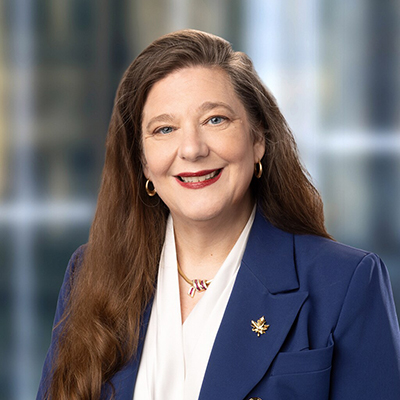 Michelle Alexopoulos
External Deputy Governor, Bank of Canada
Michelle Alexopoulos was appointed external Deputy Governor of the Bank of Canada for a term of two years, effective March 2025. In this role, Dr. Alexopoulos is a member of the Bank’s Governing Council, which is the Bank’s policy-making body responsible for decisions with respect to monetary policy and financial system stability.
Dr. Alexopoulos is a Professor of Economics at the University of Toronto with a cross appointment to the Faculty of Information. She holds a PhD in economics and is a qualified expert witness in the areas of technical change, macroeconomics and applied econometrics.
Her research primarily focuses on business cycles, monetary policy, technical change, economic uncertainty, labor markets and productivity. Her research, supported by public and private grants, has been published in top tier economics journals, and has been presented at numerous Central Banks, international conferences, academic departments, industry think tanks, and the National Academy of Sciences.
Dr. Alexopoulos was born in Toronto, Ontario. She completed an Honours Bachelor of Science degree from the University of Toronto specializing in economics and mathematics and has a master’s and Ph.D. in economics from Northwestern University in Evanston, Illinois.
 Dr. Rupa Banerjee
Professor, Toronto Metropolitan University
Dr. Rupa Banerjee is Professor of Human Resource Management and Organizational Behaviour at Toronto Metropolitan University and holds the Canada Research Chair in Economic Inclusion, Employment, and Entrepreneurship of Canada’s Immigrants. A leading scholar of immigration and labour-market integration in Canada, her research examines how immigration policies, employers, and institutions shape newcomers’ socioeconomic outcomes. She also explores international students’ and temporary foreign workers’ experiences and the expanding role of digital technologies in employment trajectories. Her work also extends to second-generation outcomes, and to the mechanisms of ethno-racial discrimination in the workplace, with attention to intersectional and institutional dynamics.
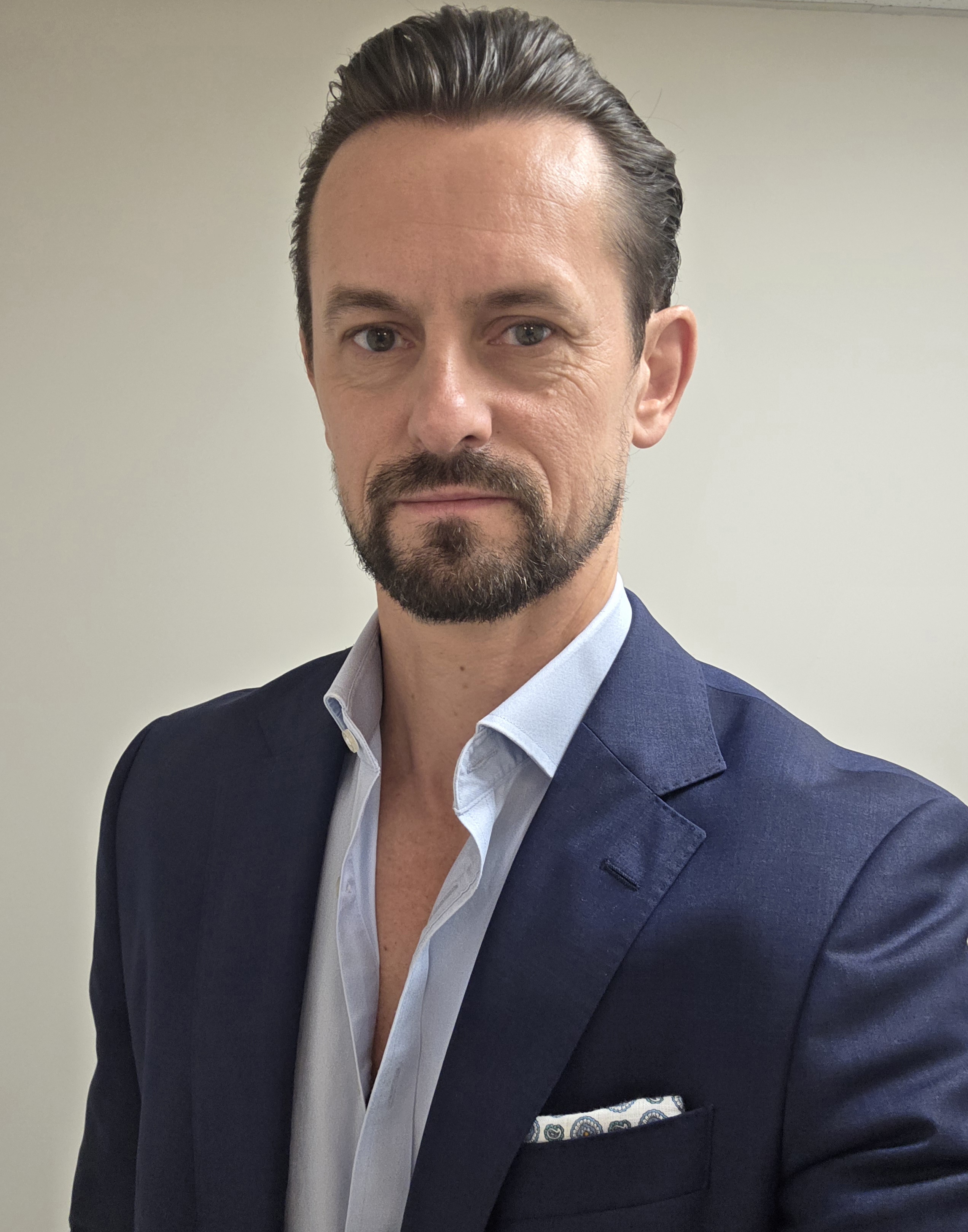 Stephen Chase is the Manager of Settlement and Multiculturalism with the Government of New Brunswick's Department of Post-Secondary Education, Training and Labour. Over his career he has experience working in immigration, settlement, workforce development, and newcomer integration across government, non-profit, and international organizations. In his current role, he leads teams responsible for provincial settlement funding and initiatives to support the retention of international graduates. Stephen holds an M.A. in International Relations and Diplomacy from Lancaster University.
 Dr. Mike Smit is Dean of the Faculty of Management at Dalhousie University and Professor of Information Science. Trained as a computer scientist, his work focuses on the intersection of technology, data, artificial intelligence, and organizational change. As Dean, he leads the region’s largest Faculty of Management, spanning business, public administration, and information science. His career has combined research, teaching, entrepreneurship, and academic leadership, with a particular interest in how emerging technologies move from technical possibility to practical adoption. Dr. Smit works extensively with industry, government, and community partners on issues related to innovation, digital transformation, and workforce development. His current interests include the impact of artificial intelligence on higher education, how universities can prepare graduates for a rapidly changing labour market, and the evolving role of human skills, leadership, and lifelong learning in an AI-enabled world.
 With an extensive background in executive leadership and a history of success in building and managing prominent technology and online businesses, Owen brings a wealth of experience to Digital Nova Scotia, the industry association for the ICT sector. Over his 20+ year career, Owen has held key roles with Fortune 50 companies such as Hewlett-Packard and Microsoft, as well as smaller venture-backed technology firms. His leadership has consistently driven growth in profit, customer satisfaction, and brand favorability. With his blend of corporate sophistication and practical hands-on experience, Owen has become a sought-after Independent Director and Advisor. He is a member of the Institute of Corporate Directors and serves on boards and advisory committees of several organizations, providing valuable guidance to CEOs and founders.
 Dean Constable is Executive Director of Immigrant & Refugee Services Association PEI and a nonprofit leader with more than 20 years of experience leading organizations through growth, change and transformation. His career spans settlement services, youth mental health and addictions, and the performing arts. Dean holds an MBA from the University of Prince Edward Island and is passionate about building strong teams, innovative organizations and more connected communities.
 Cheryl To is the Senior Executive Director, Immigration and Population Growth with the Government of Nova Scotia. She provides strategic leadership and policy advice on immigration to support the province's economic growth, workforce needs, and population objectives. Cheryl oversees Nova Scotia's immigration programs and works closely with federal, provincial, and community partners to strengthen the attraction, integration, and retention of newcomers.
A Chartered Professional Accountant, Cheryl brings extensive experience in public sector leadership, policy development, financial stewardship, and cross-sector collaboration. Her work focuses on immigration policies and programs that support population growth, economic development, and long-term prosperity across Nova Scotia.
 Jim Murphy worked previously as an educator for thirty years in Newfoundland and Labrador. In the settlement sector, he has held various leadership roles with the Association for New Canadians, including Director of LINC Training Centre, Director of Employment Services and more recently, Senior Director of Programs. In his current role, he is responsible for contribution agreements, program oversight and reporting for IRCC and provincially supported projects. He also provides oversight for Employment Services, Diversity and ANC’s Provincial Satellite Offices.
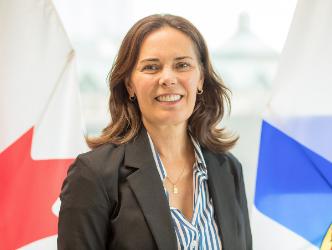 Janine Fraser was appointed Acting Vice-President for ACOA Nova Scotia in July 2025. Her substantive position is Director General, Regional Operations which she has held since 2017.
Janine started her career in 1992 working on social policy issues for the Government of Ontario. She worked on a major social assistance reform initiative as well as the design and implementation of the National Child Benefit (ultimately the Canada Child Tax Benefit). She feels privileged to be working at ACOA where she has the opportunity to bring her knowledge of social and economic policy together in the delivery of programs that support economic growth in Nova Scotia.
Janine Fraser
Vice-présidente, bureau de l’APECA en Nouvelle-Écosse
Janine Fraser a été nommée vice-présidente par intérim du bureau de l’APECA en Nouvelle-Écosse en juillet 2025. Son poste d’attache est celui de directrice générale, Opérations régionales, qu’elle occupe depuis 2017.
Janine a commencé sa carrière en 1992 en s’occupant de dossiers de politiques sociales pour le gouvernement de l’Ontario. Elle a travaillé à une importante réforme de l’aide sociale ainsi qu’à la conception et à la mise en œuvre de la Prestation nationale pour enfants (ultimement la Prestation fiscale canadienne pour enfants). Janine a déménagé en Nouvelle-Écosse avec son mari et sa famille en 1999 et a travaillé pendant un an pour la Province de la Nouvelle-Écosse. Elle se sent privilégiée de travailler à l’APECA, où elle a l’occasion de mettre à profit ses connaissances des politiques sociales et économiques en vue de la mise en œuvre de programmes soutenant la croissance économique en Nouvelle-Écosse.
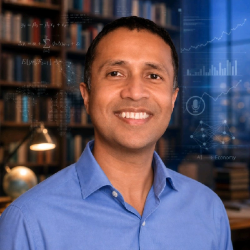 For more than a decade, Tahsin has produced research shaping national conversations on labour markets and socio-economic well-being. His work examines emerging issues — from artificial intelligence and telework to tariffs — and what they mean for workers, job quality, and long-term economic outcomes. He has also worked at the OECD, bringing an international lens to how countries measure and respond to technological change.
 Olive Ozoemena is Director of Programs: Language & Labour Market, where she leads initiatives that support newcomers' successful integration through language training, workforce participation, and community connections. With extensive experience in settlement, workforce development, and partnership building across 2 provinces in Atlantic Canada, she works at the intersection of immigrant-serving organizations, employers, educational institutions, and government stakeholders. Olive is passionate about advancing innovative approaches that respond to the evolving needs of newcomers and the changing labour market. Her work focuses on creating pathways to economic inclusion while strengthening the capacity of the settlement sector. She is committed to fostering collaboration and systems-level solutions that help newcomers thrive and contribute to their communities and Canada's prosperity.
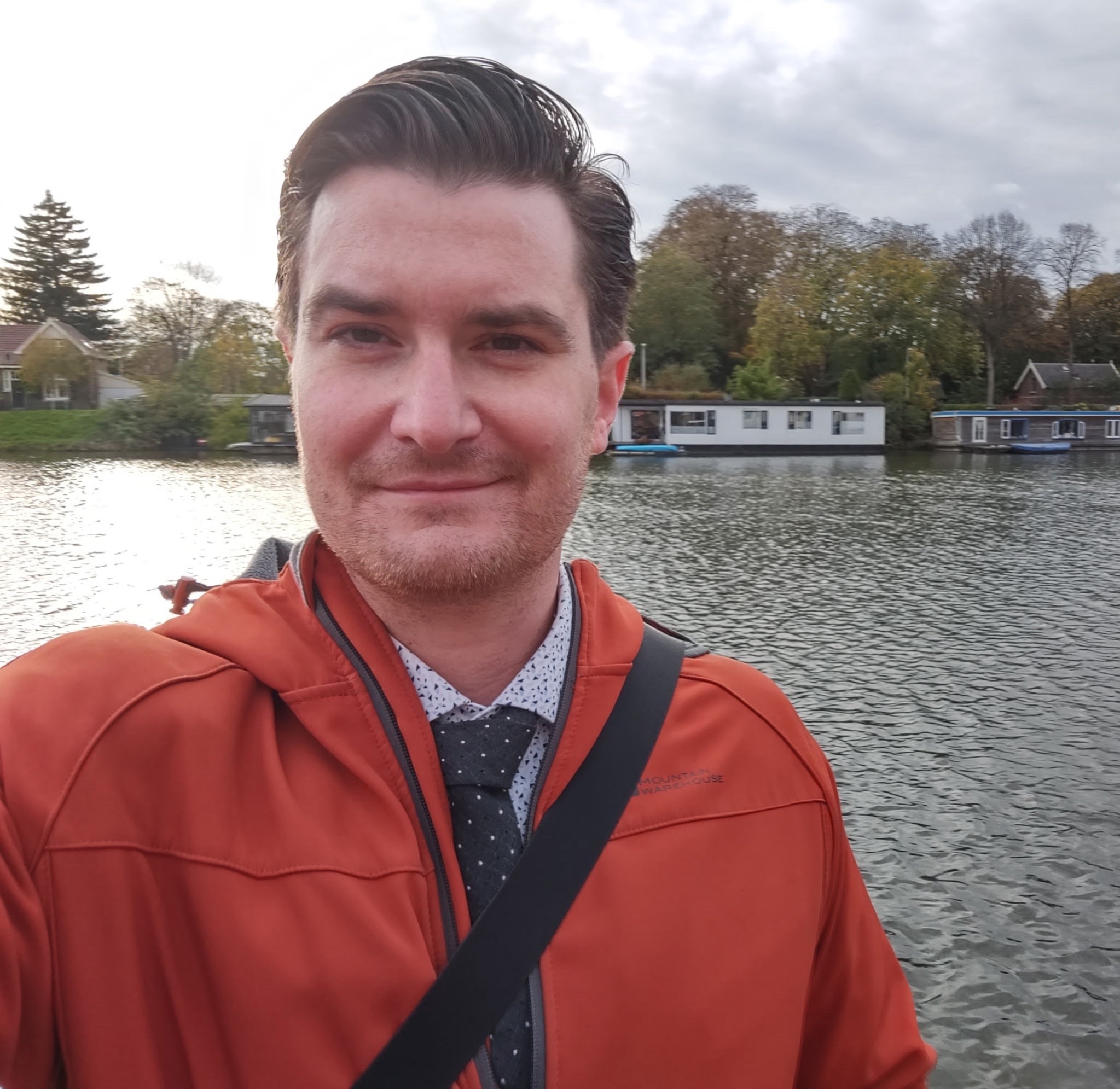 Gabriel Williams
Director of Immigration Operations
Office of Immigration and Multiculturalism
Department of Jobs, Growth and Rural Development
Government of Newfoundland and Labrador
Gabriel Williams began his career in government in 2016 and has held progressive roles focused on labour market development, immigration, policy development and information management. Gabriel has helped lead several immigration initiatives with the Government of Newfoundland and Labrador, including nursing recruitment from Kerala, India and francophone recruitment initiatives. He holds a Bachelor of Arts (honours) from Saint Mary’s University and a Master of Arts from the University of Waterloo.
 Dr. Stephanie Kelley is the Scotiabank Professor in Innovations in Business Technology and an Assistant Professor of Management Science at the Sobey School of Business at Saint Mary’s University, where she studies the ethics of artificial intelligence (AI). She investigates both algorithmic and governance solutions and currently has projects on explainable AI, human-AI collaboration, measuring AI governance, and AI ethics audits. She has worked with several organizations to implement AI ethics including the Monetary Authority of Singapore, OSFI, Lululemon, Stewart McKelvey, and several Canadian banks. Before returning to academia, she held various marketing, sales, and analytics roles in the pharmacy and home hygiene industry at Reckitt Benckiser.
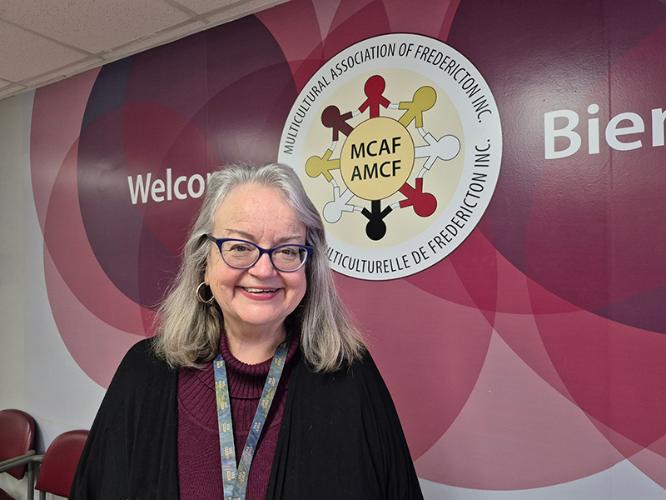 Lisa Bamford De Gante is the Executive Director of the Multicultural Association of Fredericton Inc. (MCAF). She works with a committed team of staff, Board, and community partners to develop and implement a continuum of settlement programming and solutions to challenges of access. In the 32 years that Lisa has worked with MCAF, the organization has grown from no paid staff and a small shared office to a thriving organization with over one hundred staff, who speak 42 languages, over 300 community partners, 407 volunteers and placements serving over 4,000 clients.
Lisa’s innovation and vision have been instrumental in MCAF’s growth and success. Under her leadership, the organization has expanded its programs and services and created solutions to challenges of access to appropriate and affordable housing, healthcare and childcare. Highlights of MCAF’s initiatives include the establishment of the Refugee Integrated Care Clinic (RICC) in Sept. 2025, Rainbow of Cultures (RoC) licensed daycare and the Newcomer Scholarship Fund that has awarded 183 scholarships valuing $314,500 to date.
To provide accommodations for the most vulnerable newcomers, MCAF has purchased 5 reception houses (11 units) to provide welcoming temporary accommodations for Government Assisted Refugees and Asylum seekers. To address the need for affordable and accessible housing for larger families requiring 3- and 4-bedroom units, MCAF is now in the pre-construction phase a newcomer housing community consisting of 24 affordable and accessible 3- and 4-bedroom units accompanied by a community building with integrated settlement and community support services in first languages, a licensed daycare facility and commercial/training kitchen space. These initiatives are designed to address the social challenges of housing, healthcare and childcare challenges faced by newcomers settling in the GFA.